
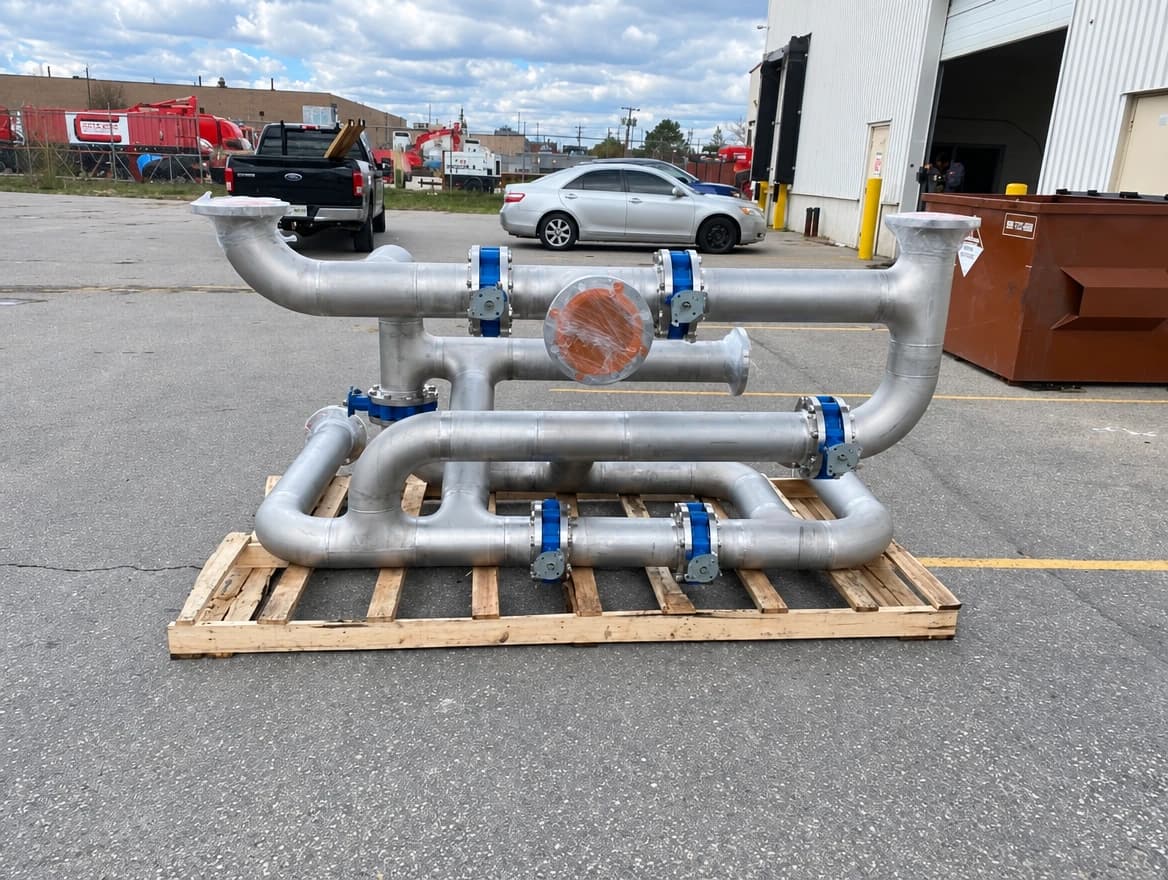
Process piping & skid assemblies
Prefabricated piping module
Stainless piping module fabricated and pressure tested in the shop.
ASME Section IX procedures qualified for alloys, dissimilar metals, thicknesses and service conditions, with WPS/PQR documentation
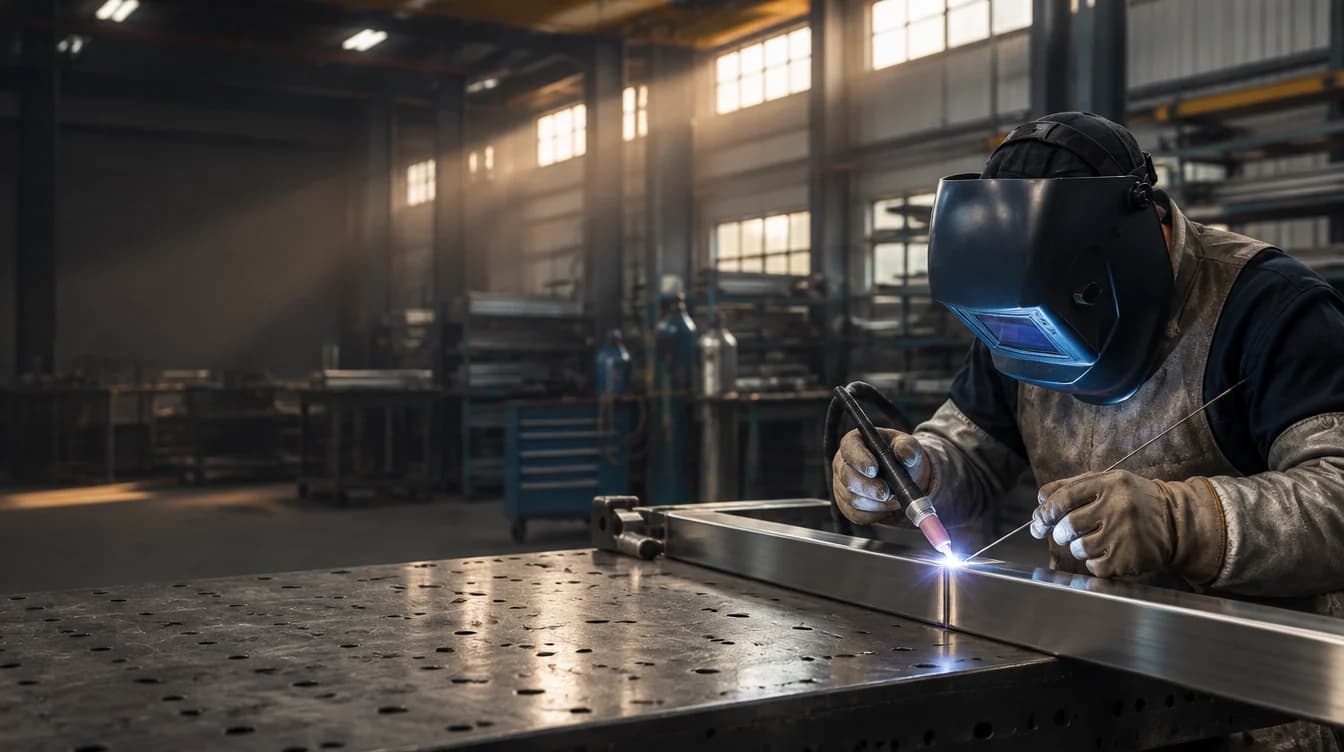
We develop and qualify ASME Section IX welding procedures for different alloys, dissimilar metal joints, thicknesses and service conditions, supported by WPS/PQR documentation and the required testing. Procedures can be developed for a single project or as the basis for repeat production.
A Procedure Qualification Record (PQR) documents the actual test weld and the results of the tests performed on it. A Welding Procedure Specification (WPS) is the written instruction welders follow in production, and it must be supported by one or more qualified PQRs.
Yes. ASME Section IX covers dissimilar metal joints. The procedure is qualified for the specific base metal combination, filler metal and thickness range the work requires.
Typically tension and guided bend tests on specimens cut from the test weld, with impact testing or other examinations added when the construction code or service conditions require them.
Stainless piping module fabricated and pressure tested in the shop.
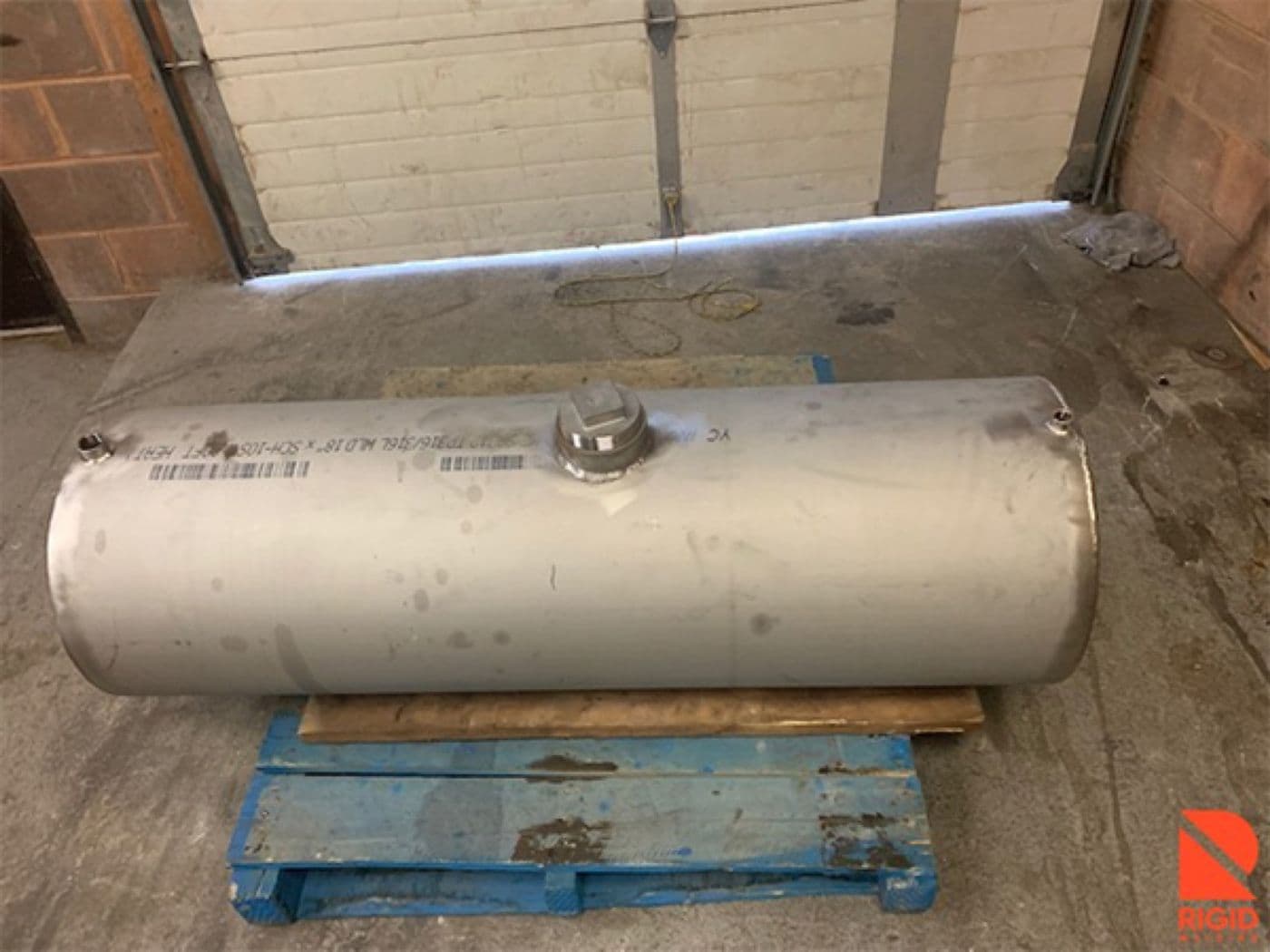
ASME Section VIII, Division 1 horizontal vessel in stainless steel.
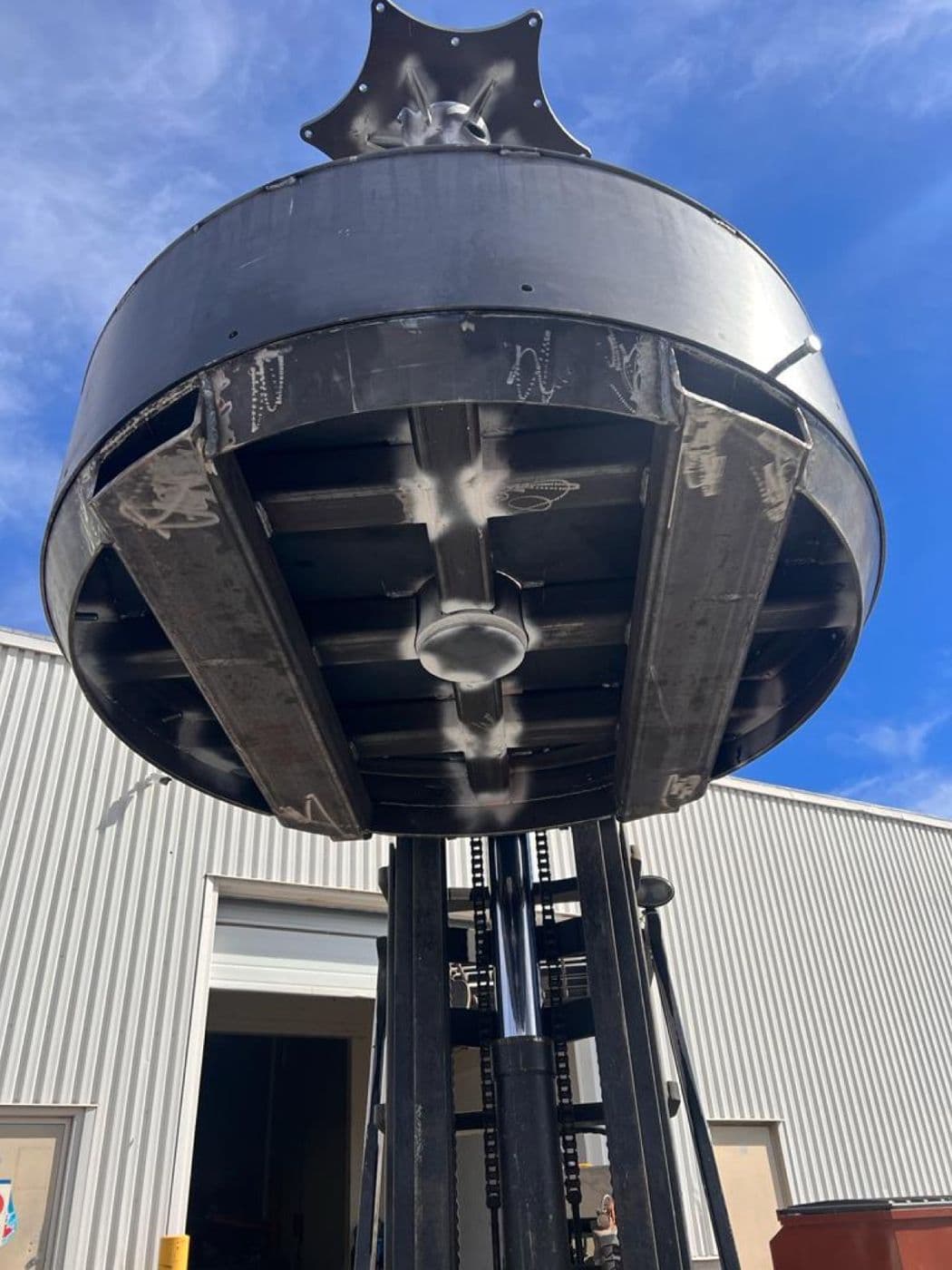
Heavy-gauge steel hopper fabricated to the client's drawings.
Send it over. An engineer reviews every request.